
The Energy Sector 2 project (ESP2) in Mongolia was a US$55 million investment financed by the World Bank and the Scale-UP Renewable Energy Program (SREP) of the Climate Investment Funds (CIFs). The objective of the project was to improve the reliability and sustainability of electricity services in the country through the rehabilitation of grid infrastructure, construction of grid-connected solar photovoltaic (PV) plants and strengthen government implementation capacity. AMALA was requested by the World Bank to evaluate the performance of the ESP 2 project.
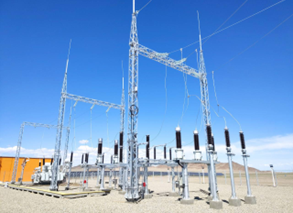
ESP2 built on the experience of a previous project and looked to improve key aspects of performance in three important distribution systems in Mongolia (BSEDN, EBEDN and WES). It financed the construction and rehabilitation of over 1,200 kilometers (km) of distribution lines, substations, and installation of over 33,000 meters with the aim of reducing distribution losses and improving the reliability of electricity services. As a result, the average interruptions in the respective distribution systems were substantially reduced, contributing the greater operational sustainability. The system enhancements also reduce the need for additional domestic generation that is primarily from coal, thus helping reduce the environmental footprint of the overall systems.
The ESP2 also constructed and commissioned a utility scale solar PV plant through blended financing from the World Bank and climate funds. The power plant is exceeding the targeted generation and helping displace electricity imports from Russia. Reducing the dependence on cross border trade enhances the energy security of Mongolia although it has come at some cost since the financial price of Russian imports have been lower than anticipated. The blended financing from climate funds was instrumental in securing the positive financial outcome underscoring the importance of such funding.
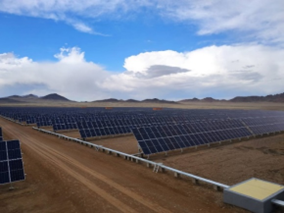
To confirm the positive financial outcome and the associated environmental benefits of the solar PV plant, it was also vital to ensure that its integration did not displace generation from an existing run-of-the-river hydropower project nearby. AMALA’s analysis confirmed that the additional improvements to a substation and network lines enabled both the hydropower and the solar PV plants to fully dispatch simultaneously avoiding potential displacement of either plant. Collectively, the electricity generated from both plants were also well within the reliable demand profile of the region since the two were variable renewable energy (VRE) technologies confirming maximum energy and environmental benefits within the regional power system.
To access the Implementation Completion and Results Report (ICR) prepared by AMALA for the World Bank, click here.
For more information on AMALA, please visit https://www.amalaenergy.com/about-us/.